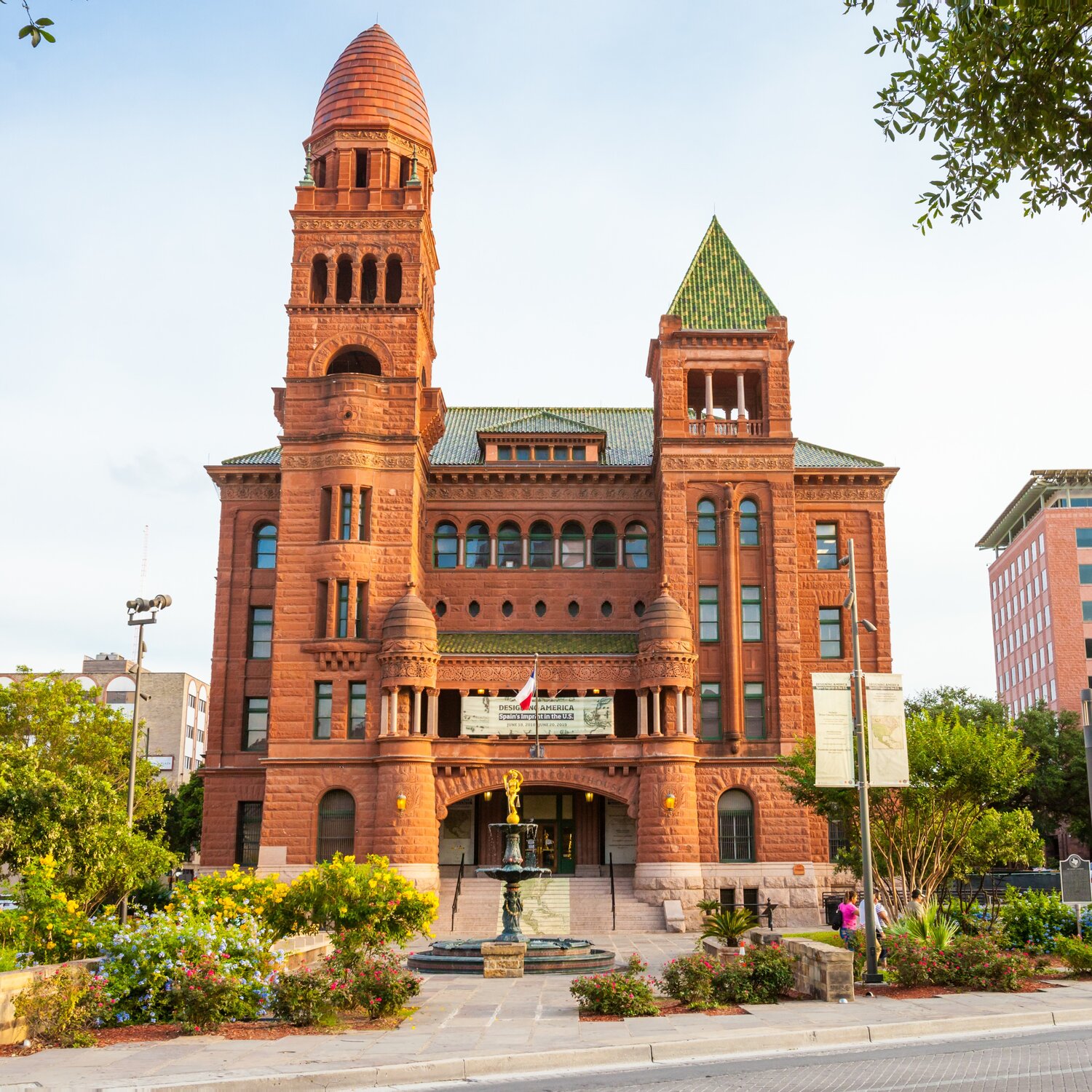
Estate Planning Attorney in San Antonio, Texas
MBB – Your Local Estate Planning Firm in San Antonio
Make sure your assets are ever-ready for the dependents in your life while you’re alive and well with Mazurek, Belden & Burke, P.C. (MBB). We guide families and business owners through strategic and personalized estate planning meant to secure wealth and preserve your legacy. Our team of diverse estate planning attorneys in San Antonio achieves this by providing estate planning services like drafting wills, establishing trusts, appointing powers of attorney, and formulating strategies to avoid the convoluted Texas-specific probate laws. It doesn’t matter if you have always been a Texas resident or have freshly relocated here, for the wisdom we have gained through our 17+ years of experience will guide you through any scenario. Let’s take a closer look at our tailored solutions that account for all possible outcomes!
What is Estate Planning and Why is it Important?
In simple terms, estate planning is the process of arranging for the management and disposal of a person’s estate (assets, property, investments) during their lifetime, in preparation for potential incapacity or death. Thus, estate planning in San Antonio guarantees that your Texas-based assets are managed not just after your life, but during it as well.
Why Is It Critical?
Protection & Control:
An estate plan puts you in complete control of who inherits your assets, who makes decisions on your behalf, and who safeguards your children’s future. This also involves naming important people for different capacities, such as medical and property attorneys, guardians for minors, and trustees or executors.
Avoids Complications & Ensures Efficiency:
If you don’t have a clear estate plan, your family could face probate and disputes. That means more time, more stress, and more expenses. Our estate planning attorney puts a clear structure in place so that you face fewer legal delays and lower tax impact wherever possible.
Who Needs Estate Planning the Most?
Families:
In unexpected situations such as illness or passing away, estate planning is an essential process of making sure that your loved ones receive benefits based on what you had planned. This includes your home, bank accounts, investments, retirement funds, life insurance, and personal property. Thus, to save you and your family from the headache of visiting courtrooms, our estate planning lawyer near San Antonio plans ahead at every step.
Business Owners:
We know it’s difficult to think about, but have you considered what your business would look like in your absence? Without a formal succession plan, your family and partners could be left with more questions than answers. To address this, our estate planning attorney near San Antonio focuses specifically on ensuring continuity while protecting ownership interests, partnership shares, company accounts, and commercial property.
Estate Planning in San Antonio – Services We Offer
Wills & Testament Planning
Drafting your final wishes starts with drawing up either a simple or complex Last Will and Testament, depending on the size of your assets. This is then followed by essential guardianship designations if you have minor children. Our estate lawyers near San Antonio assist in updating or revising existing wills and developing probate-focused planning strategies. These services ensure your assets are transferred correctly under Texas law.
Trust Planning
Our trust attorney near San Antonio helps establish revocable, irrevocable, special needs, and asset protection trusts for you. We also handle Medicaid “Miller” (Qualified Income) trusts along with necessary trust amendments and restatements. These tools ensure your wealth is managed effectively, providing you with tailored control over exactly how and when your assets are distributed.
Powers of Attorney
At MBB, our team of wills lawyers near San Antonio drafts durable financial and medical powers of attorney to protect you during incapacity. Our attorneys also assist with limited, specific, or springing powers of attorney. These critical documents provide assurance that trusted persons have the legal authority to manage your property and medical decisions when you are no longer capable of making them yourself.
Advance Directives & Healthcare Planning
We provide directives to physicians (Living Wills), HIPAA releases, and medical authorization forms. Our comprehensive healthcare planning and end-of-life planning documents give your loved ones clear instructions. These advance directives guarantee that your medical wishes are respected and that your agents have the legal authority they need in medical emergencies.
Asset Protection Planning
You can now protect your hard-earned assets with our asset structuring and planning to effectively limit creditor access. We provide business succession planning, coordination, and advanced asset protection for high-net-worth individuals. These plans consider every possible scenario for your business and personal legacies.
Strategies to Avoid Probates
Looking to bypass courtroom procedures? We have you covered! By coordinating trusts with financial accounts, our probate lawyers in San Antonio help you pass property to heirs without the expense of probate. Our strategies, like beneficiary designation planning, transfer-on-death deeds, and payable-on-death accounts, make sure your estates are privately transferred to your chosen beneficiaries.
Estate Plan Reviews & Updates
Keep your strategy current by reviewing outdated estate plans and adjusting for marriage, divorce, or the birth of a child. We also help in updating plans after a relocation to Texas. Our ongoing estate planning guidance ensures your documents reflect your current life situation and comply with state laws.
Why Choose MBB as Your Estate Lawyer in San Antonio?
At MBB, our attorneys let you have an upper hand in San Antonio estate planning activities due to a couple of main reasons:
Local Knowledge
Texas is a community property state with specific probate rules that can trap unprepared estates. Our team includes attorneys who bring more than 17 years of experience assisting clients in efficiently settling estates and addressing legal complexities.
“Large Firm” Capabilities with “Small Firm” Accessibility
Our San Antonio estate planning firm provides the high-level legal firepower of a giant firm with the personal touch of a local partner. Following the “buffalo” mindset, we guarantee quick responses and timely asset transfers, so your plan is handled fast and correctly.
Board-Certified Professionals
You aren’t just getting a lawyer; you are getting a verified authority. Our attorneys are Texas Board-certified. This means we bring a level of technical skill most firms can’t match. We apply this elite training to your estate plan, ensuring complex assets like family ranches and business titles are handled with precision.
Trusted by the San Antonio Community
Our reputation is built on the word of those we serve. From local families to Texas business owners, our clients consistently highlight our ability to simplify the legal process through Google reviews. We are proud to be the reliable partner on St. Mary’s Street that delivers top-tier results with a direct, local feel.
Contact an Estate Law Attorney Near San Antonio Today
The best time to plan for the unexpected was yesterday; the second-best time is right now. Our qualified attorneys for estate planning are conveniently located right here in San Antonio at 1919 N. St. Mary’s St., ready to turn your estate plan into a fortress. Get in touch with us at (210) 824-2188 for a free consultation and start planning right away!
Frequently Asked Questions About Estate Planning in San Antonio
What is involved in a comprehensive estate plan?
A comprehensive estate plan involves a Will, Revocable Living Trust, Powers of Attorney, and Living Will. Our estate lawyer in San Antonio also includes HIPAA releases and beneficiary forms.
How long does it take for an estate planning attorney to complete my documents?
Standard estate plans are usually finished by our estate planning attorney near San Antonio in a few weeks, depending on the complexity of assets.
What is the difference between a will and a trust in San Antonio?
A will must go through probate after death. A trust takes effect immediately, offering privacy and avoiding probate altogether.
Can I avoid probate in Texas using estate planning?
Yes. With Living Trusts and Lady Bird Deeds, our estate attorneys in San Antonio transfer property without probate.
What will happen to my estate and children if I pass away without a will?
You are “intestate.” The law of Texas will decide what happens to your property, and a judge will decide who gets to raise your minor children.
Do I need a trust attorney in San Antonio if I already have a will?
Yes. A trust attorney in the San Antonio area gives you further protection against creditors and provides for what happens if you become incapacitated.
How often should I update my estate plan?
Review your plan every 3 to 5 years. Update your plan as soon as possible in the event of a major change in your life: marriage, divorce, new child, substantial increase in assets, or moving to Texas.